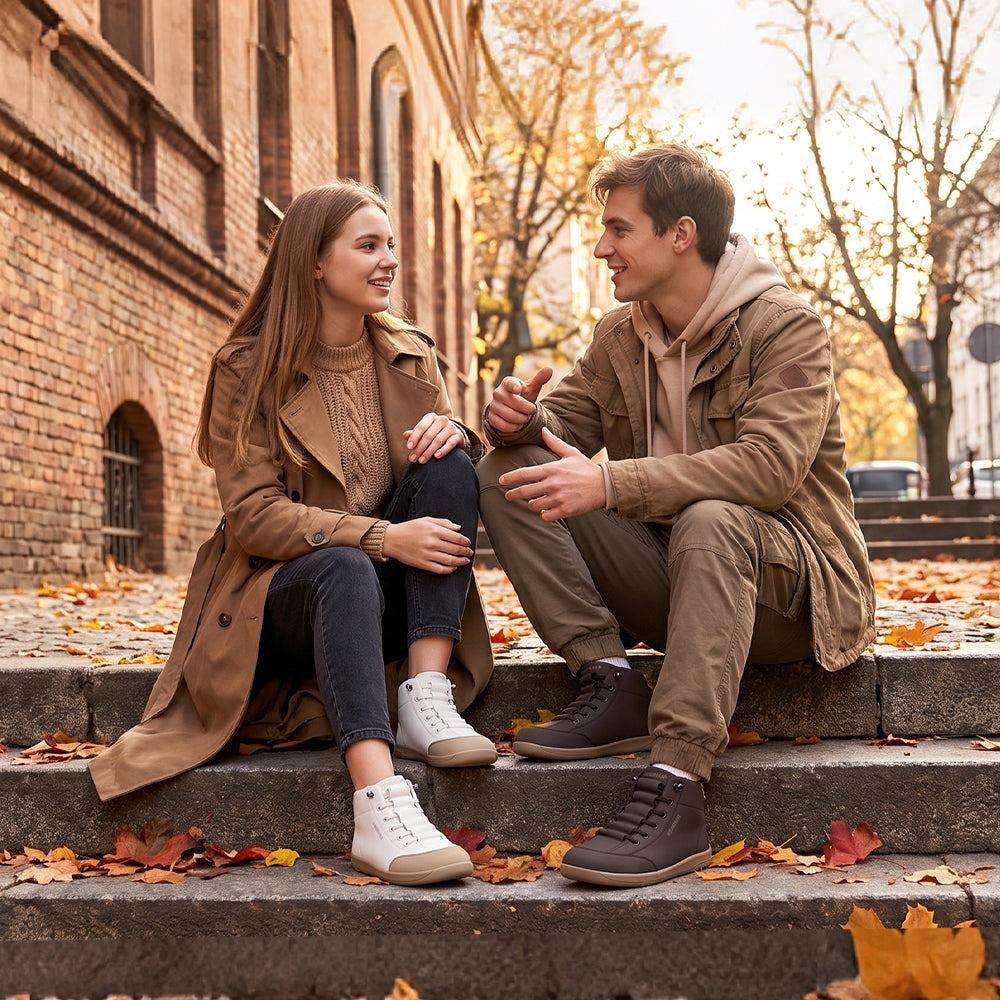




Best Barefoot Shoes: Natural Comfort for Your Feet
Walking or running barefoot (or as close as possible) can strengthen your feet and improve balance. Barefoot shoes are specially designed for this – they have flat, zero drop soles and wide, foot-shaped toe boxes that let your toes splay naturally. This gives you a close-to-ground feel and extra sensory feedback (proprioception) compared to regular sneakers.
For people with wide feet or toe pain, shoes with a roomier toe box (like HOBIBEAR’s wide-toe-box models) offer extra comfort and allow “natural toe splay” without squishing. Below we break down what barefoot shoes are, why they matter, and which models (including HOBIBEAR’s) stand out.

What Makes a Shoe “Barefoot” or Minimalist?
Barefoot or minimalist shoes are defined by their design:
· Zero heel-to-toe drop: The sole is level (0mm drop), so your heel and forefoot sit at the same height. This encourages a natural stride.
· Thin, flexible sole: The outsole is very thin (often 5–12mm), letting you feel the ground underfoot. This flexibility lets the shoe bend and twist with your foot.
· Foot-shaped, wide toe box: The toe area matches the natural outline of your foot, giving each toe room. Unlike narrow fashion sneakers, barefoot shoes don’t squeeze your toes together. This wide toe box is a signature feature, praised by people with wide or bunion-prone feet.
· Minimal cushioning/support: They lack thick pads or arch supports. The idea is that you use your own foot muscles for support, not the shoe.
Together, these features let your feet move “as if barefoot.” Compared to a typical running shoe with a 30–40mm cushioned heel, barefoot shoes keep you flat and very low to the ground. In practice, that means you have a more stable, ground-connected feel when you walk or train. Of course, there’s an adjustment period – experts advise newcomers to transition slowly into barefoot shoes to avoid strains. But once adapted, many find they gain a feeling of “groundedness” and “stability” underfoot.
Benefits of Barefoot Shoes
Barefoot shoes aren’t just a fad; research and experts note several health benefits compared to conventional footwear. Here are some consistent advantages reported by users and studies:
· Better ground feel & balance: With only a thin sole (often 6–10mm), your feet sense the ground more directly. This heightens proprioception (body awareness) and can improve balance. For example, when standing or lifting weights, barefoot shoes let you feel uneven spots or small objects underfoot and adjust your stance naturally. More contact means your brain gets richer feedback, which can make balance tasks and gait feel smoother.
· Stronger foot muscles: Feet contain ~29 small muscles and several arches. Ordinary thick-soled shoes can let these muscles weaken (since the shoe is doing the work). Barefoot shoes, however, act like a subtle workout for the feet. Simply by walking or exercising in them, you gradually engage and strengthen those intrinsic foot muscles (similar to doing arch/foot exercises). Stronger foot muscles can help with arch support and overall foot health.
· Improved posture and gait: By allowing your toes to spread and removing heel-elevation, barefoot shoes encourage a more natural footstrike. In effect, you tend to land more midfoot or forefoot and keep the foot flat. Many users notice they stand taller and walk with a “triplatform” foot (heel, big toe, pinky toe) grounded, enhancing stability. Over time, this can promote “a more natural gait” and upright posture.
· Joint alignment: Zero drop, flexible shoes keep your ankle, knee and hip in more natural alignment versus tilted-heel shoes. This may reduce stress on knees and hips during everyday standing and walking, though we note the evidence is mixed and benefits vary by individual.

· Roomy toe comfort: A wide toe box alone can relieve common shoe-related pains (bunions, black toenails, or general cramped toes). Many customers praise barefoot brands for this. For instance, one HOBIBEAR buyer said: “I have very wide feet…these [wide-toe] shoes are a dream come true”. Giving toes space often means fewer blisters and less pinching.
· Versatility: Today’s barefoot shoe lineup is vast. There are minimalist sneakers for walking, trail runners, CrossFit/gym shoes, and even boots or sandals. Whether you’re running on trails or walking the dog, there’s likely a barefoot-style shoe that fits the activity. (See Top Picks below.)
Tip: If you’re new to barefoot-style shoes, start by wearing them for short walks or workouts and gradually increase time. This helps your calves and feet adapt. Avoid switching all shoes to barefoot overnight (as one coach warns, you could “overly fatigue your ankles and feet” if you do). In short: transition slowly and listen to your body.
Key Features to Compare
When shopping for barefoot shoes, consider these core attributes:
|
Feature |
What it Means |
|
Toe Box Shape |
Foot-shaped and wide. Your toes should have room to spread. (Example: Topo ST-5 – “foot-shaped design” fits all five toes comfortably.) |
|
Heel-to-Toe Drop |
Ideally 0mm. (Some models may have 1–4mm drop.) This keeps you level. |
|
Sole Thickness |
Very thin (often 5–12mm stack height total). A thin sole gives maximal ground feel. |
|
Sole Flexibility |
Highly flexible. You should be able to bend the shoe easily (some brands test >90% more flexible than average). |
|
Weight |
Lightweight, usually under 10 oz per shoe. Lighter shoes feel more “barefoot.” (E.g. Merrell Vapor Glove 6 weighs just 5.6 oz.) |
|
Materials |
Breathable mesh or thin leather. Look for durable mesh for exercise, or leather/textile for casual use. |
|
Price Range |
From budget ( |
By using this table as a guide, you can match a shoe’s specs to your needs. For example, trail runners may tolerate a slightly thicker sole with rugged rubber, whereas a living-room/gym shoe might focus on ultra-flexibility.
Top Barefoot Shoe Picks
Many brands now make barefoot-style shoes. Below are a few standout options across categories. We naturally include HOBIBEAR’s own wide-toe barefoot shoes alongside other respected models.
· HOBIBEAR “Sorrel” (Unisex): A lightweight sneaker with a wide toe box and zero drop sole, designed for natural movement. HOBIBEAR markets it for running or hiking. One happy customer with wide feet raves: “Finally wide toe box and minimal shoes that last… look cute too.” It delivers that close-to-the-ground feel while looking like a casual sneaker.
· HOBIBEAR “Tulle” (Women): A stylish mesh barefoot shoe with a very flexible sole. Its sole adapts to your foot shape, promoting better balance and proprioception. The breathable knit upper keeps feet cool. Reviewers say it’s very comfortable and holds up well. (Tip: “Tulle” comes in fun colors, so it’s great for daily wear or travel.)

· Vivobarefoot Primus Lite IV: Awarded “Best Barefoot Shoe for Men” by OutdoorGearLab. It has an ultra-thin 5.5mm sole and an ultra-flexible design. Its wide toe box and removable insoles make it ideal for gym workouts or city strolling. We love its exceptional ground feedback and nearly “glove-like” fit. (Their leather “Gobi II” model, recommended for women, is durable and versatile.)
· Merrell Vapor Glove 7: A legend among lightweight runners. It truly feels like a sandal/slipper with virtually no shoe between you and the earth. Both men’s and women’s versions weigh only ~11–12 oz, with ~6mm stack height, zero drop. The Vibram outsole gives great grip on trails or wet surfaces. One reviewer notes how “we could feel pebbles, twigs, and even sidewalk cracks”, and yet they ran great even on gym floors. (Note: These run narrow, so wide-footed buyers might want a half size up.)
· Topo Athletic ST-5: Rated “Best with wide toe box” by RunRepeat. This shoe has a very wide, foot-shaped toe box (we measured ~79mm, 7.9% above average). It has a thin 13.8mm sole (-0.2mm drop) for maximum barefoot feel. In testing, the ST-5 bent and twisted far more easily than typical shoes, “74.5% more bendable than average”. It’s lightweight (6.8 oz) and perfect for gym workouts or daily wear, though its minimal cushion makes it best for shorter outings. The takeaway: outstanding flexibility and toe room.
· Xero Shoes HFS II (Men’s/Women’s): A top all-around pick. 0mm drop, wide toe box, and moderately thick sole (about 13mm) let it work for running, court sports, or walking. It even has a 5,000-mile outsole warranty. Users love it as a “one shoe for everything” choice. (RunRepeat named it Best Overall barefoot shoe.) It’s not as extreme as Vivobarefoot, but still provides good ground feel.
· Lems Primal Zen: A casual barefoot-style sneaker noted for versatility. It’s a bit more cushioned (9.5mm sole) but still flat and very flexible. The mesh-covered toe provides airflow, and faux-leather accents add style. Reviewers say it’s “great for errands” and has an all-day comfort. (Be aware: it runs small, so try sizes.) Its wide toe box and hidden lacing make it look like a normal sneaker, appealing to those easing into minimalist shoes.
· Whitin Minimalist (Budget): As a low-cost barefoot option, Whitin wins on comfort right out of the box. Stack ~12mm, it has a wide toe box that pleased testers with wide arches. No break-in is needed. The thick base gives it stability; one tester noted it was one of the “most stable shoes we tested”. They’re not the lightest (20 oz), but for under $60 you get true minimalist feel. Reviews mention the snug fit and easy adjust laces, saying it held up for gym use and everyday wear.
· Vibram FiveFingers V-Trek: The classic toe-pocket shoe, rated RunRepeat’s Best with toe pockets. It’s as minimal as it gets (9–10mm sole, -0.8mm drop). Each toe moves independently in its sock-like glove. If you like feeling completely barefoot, nothing beats these. (Be prepared: they take time to break in, and some people dislike the ultra-bare fit. But fans love their “glove-like fit” and durability.)
· Inov-8 Bare-XF Pro: A barefoot-inspired training shoe (for CrossFit/weightlifting). It has a very low stack (4mm) and an engineered heel for stability. Jake Boly’s list named it Best for Men’s CrossFit. It’s stiffer than typical minimalist shoes (for stability under load), but still flat and lightweight. Good for lifting or short runs.

· HONOR “Promise” (HOBIBEAR women’s model): One popular HOBIBEAR style (in reviews as “Honor”) doubles as a dressy walking shoe. With a sleek leather appearance and wide toe box, customers say it looks normal yet feels bare. A reviewer wrote it reminds her of vintage oxfords but with modern barefoot comfort. It’s another example of HOBIBEAR’s approach: classic-looking shoes built on a zero drop, wide-base platform.
· …and many more. Other solid barefoot shoes include Lems’ higher-end models (Mesa, Boulder Boot), Vivobarefoot’s trail/snow options, Merrell Trail Glove, new brands like IBR or Fulcrum. If you’re curious, each of the above references has long top-10 lists to explore.
Table: Key Barefoot Shoe Comparisons
|
Shoe Model |
Heel-Toe Drop |
Toe Box |
Stack Height |
Best Use |
|
HOBIBEAR Sorrel |
0 mm |
Extra wide |
~10 mm |
Everyday walking/travel |
|
Vivobarefoot Primus Lite IV |
0 mm |
Wide |
5.5 mm |
Gym, city (weightlifting, travel) |
|
Merrell Vapor Glove 7 |
0 mm |
Medium-Wide |
7.6 mm |
Running, gym, water (Vibram sole) |
|
Xero Shoes HFS II |
0 mm |
Wide |
12–13 mm |
Running, CrossFit, casual |
|
Lems Primal Zen |
0 mm |
Wide |
9.5 mm |
Casual, everyday |
|
Whitin Minimalist |
~0 mm |
Wide |
12 mm |
Gym, everyday (budget) |
|
Vibram FiveFingers V-Trek |
0 mm |
Toe pockets |
~10 mm |
Trail running, fitness |
|
Topo ST-5 |
0 mm |
Very wide |
13.8 mm |
Gym, daily, short runs |
|
Inov-8 Bare-XF Pro |
0 mm |
Medium-Wide |
~4 mm |
Cross-training, weightlifting |
|
HOBIBEAR Tulle |
0 mm |
Wide |
~10 mm |
All-day casual (breathable) |
(Note: Data from gear reviews and brand specs. Individual fit may vary.)
Styling Tips & Common Pitfalls
Barefoot shoes look different from pointy, heeled shoes, but they can fit any wardrobe with a few style tricks. Experts suggest embracing their unique silhouette:
· Balance the silhouette: Barefoot shoes are wider and have no heel lift, so they can make legs look shorter. To counter this, wear straight-leg or tapered pants that hit just at the ankle. Cuffed or cropped trousers (or well-fitting joggers) show a bit of ankle and keep the line clean. High-waisted tops or monochromatic outfits also create a longer leg line. In other words, work with the shoe’s shape: clean, simple lines and neutral colors usually look best.
· Keep it simple: Barefoot styles often look more casual. Pair them with simple pieces: a plain tee, classic jeans, or a casual dress. Avoid covering them with bulky, floor-skimming garments. Instead, let the shoe show a little. For women, ankle-length leggings, dresses, or rolled-up jeans are flattering. Men can try slim chinos or shorts that expose the ankle.
· Work attire: Leather barefoot shoes (like Vivobarefoot Gobi or HOBIBEAR oxfords) can actually be dressed up. A tailored pant or dark slim jean under a blazer works. The key is fit: a neat trouser hem that doesn’t bunch looks modern. Stick to classic colors (navy, olive, gray) to make barefoot shoes feel intentional, not out-of-place.

· Seasonal choices: In warm weather, barefoot sandals or sneakers go great with linen or flowy skirts. In winter, pair leather barefoot boots with neutral wool trousers or slim jeans tucked in. The idea is breathable, natural fabrics and streamlined cuts to complement the shoe’s ethos.
Common Style Mistakes to Avoid:
· Baggy bottoms: Avoid wide-leg pants that drape over the shoes. This can hide their shape and make outfits look sloppy.
· Excess sock/ankle coverage: Too-long socks or tights can bunch around a zero drop shoe, causing discomfort. Either wear no-show socks or use a slight cuff.
· Overly fancy top: A formal dress shirt or skirt can clash with very casual barefoot shoes unless balanced well. If you’re dressing up, choose a barefoot style that mimics a dress shoe (like sleek leather flats).
· Ignoring fit: Always size barefoot shoes carefully. If a shoe is too tight or too loose, it defeats the purpose. For example, one customer noted that in one HOBIBEAR pair the tongue rubbed her ankle because it didn’t fit like her other sizes. Measure your foot length/width and check each brand’s sizing guide.
· All-day wear before break-in: Some styles (especially new leather boots) may need a brief break-in. Going straight to a long hike can cause blisters. Ease them in with shorter outings first.
What Customers Say
Real users love the barefoot experience. Here are some genuine quotes:
· “I love the Hobibear brand, I own several pairs. These are the best ones I have. Comfortable and stylish. I wear them all the time.” – Verified purchaser (HOBIBEAR).
· “Finally wide toe box and minimal shoes that last and don’t cost a fortune. Look cute too.” – HOBIBEAR fan praising fit and value.
· “Very comfortable and well made. Toe box is a little wider than I expected. Love the color and how they feel.” – Buyer of HOBIBEAR Honor model (women).
· “I have very wide feet…my toes cannot rub anywhere or they hurt. These shoes are a dream come true.” – Happy HOBIBEAR customer.
These reviews echo what experts say: wide toe boxes and minimalist soles feel great for everyday use. Of course, not every style works for everyone – a few users mention that some models fit differently on narrow feet, or that certain edges can rub during break-in. Overall, the consensus is that barefoot shoes transform how feet feel day-to-day: more freedom, less pain.
Risk Warning: While many find benefits, barefoot shoes aren’t magic. If you have severe foot issues (like advanced plantar fasciitis, neuropathy, or serious arch collapse), talk to a podiatrist first. And remember the break-in advice: because these shoes use your own muscles more, going too hard, too soon can cause soreness. Always transition gradually and stop if you feel sharp pain.

Frequently Asked Questions (Q&A)
Q: What exactly makes a shoe “barefoot”? Do I have to go completely barefoot inside it?
A: A true barefoot shoe has a flat (zero drop) sole, minimal cushioning, and a wide toe box to mimic barefoot mechanics. You don’t literally take off socks or shoes – they are still regular shoes. But they put your foot in a natural position, so you feel the ground more. Some brands even encourage wearing them sockless for maximum feeling (like Vibram FiveFingers or sandals). The key is the design, not how you wear it.
Q: Are barefoot shoes good for running or workouts?
A: They can be, depending on the shoe and your adaptation. Many people use lightweight barefoot shoes (like Xero, Merrell Vapor Glove, or Vivobarefoot) for running and cross-training. The thin, flexible sole encourages a mid/forefoot strike and strong foot muscles, which can be beneficial over time. However, if you’ve been running in thick-cushion shoes, start slowly. Go short distances first. Some athletes now swear by barefoot training for stability. That said, they offer less shock absorption, so take care if you have knee or joint issues, and consider using a slightly cushioned zero drop shoe (or adding soft insoles initially).
Q: How do I choose the right barefoot shoe for me?
A: Consider your activity, foot shape, and budget. If you have wide feet or toe problems, look for brands known for roomy boxes (Topo, Vivobarefoot, HOBIBEAR) and check their width charts. Decide if you want a sporty mesh (for exercise) or leather (for casual/office). Compare drop (0mm is true barefoot), and look at stack height (thinner = more ground feel, but also less padding). Reading reviews helps: for example, outdoor testers note that shoes like the Xero HFS or Whitin run wide and stable. And don’t forget style: if you want a barefoot shoe that doubles as a dress shoe, models like Vivobarefoot Gobi or HOBIBEAR oxfords exist.
Q: How should I transition into barefoot shoes?
A: Very gradually. Start by wearing them for 30–60 minutes a day on easy ground (e.g. your house or flat pavement). Over 2–4 weeks, slowly increase wear time and add gentle walks or workouts. Barefoot experts warn against jumping in all at once to avoid overstressing your calves and ankles. If any pain (especially in shins or arches) appears, cut back usage for a few days. By building up, you let your muscles and tendons strengthen safely.
Q: Can barefoot shoes really help foot pain or posture?
A: Many users say yes. By letting toes spread and forcing a more natural gait, barefoot shoes can relieve pressure on bunions or forefoot pain. Some find they ease lower back or knee tension due to better alignment. Small studies suggest minimalist footwear can improve foot strength and posture in some people. That said, they’re not a guaranteed cure-all. Always listen to your body. If you already have strong feet, you’ll feel the stability and freedom; if not, you may need time.
Q: Are barefoot shoes just for special people (like runners)?
A: Not at all. Barefoot footwear is for anyone who wants natural-feeling shoes. Casual walkers, fitness enthusiasts, and even fashion-minded shoppers use them. For example, HOBIBEAR’s women’s leather barefoot flats and men’s sneakers target everyday wear. The style tips above show how they can fit into any wardrobe. Children’s versions also exist (kids love the freedom!), and barefoot sandals/boots cover warm and cold seasons.
Q: Do barefoot shoes require special socks?
A: Not really. Thin, no-show athletic socks work best so you still feel ground. Some people wear no socks in summer. If the shoe is very snug (like toe-pocket models), special gloves or toesocks exist, but most casual barefoot shoes just use standard socks. The main sock tip is: don’t wear heavy hiking socks that bunch up and lift your foot off the sole, or go sockless for a more “barefoot” experience.
Q: Can I wear barefoot shoes if I have flat feet or high arches?
A: In many cases, yes. Barefoot shoes don’t have built-in arch support, so they encourage your own arch to engage. People with flat feet sometimes find walking in them helps “wake up” those arches. However, if your arches are very collapsed or painful, you might want to add a thin custom insole (some barefoot shoes have removable insoles for this reason) or consult a foot specialist. HOBIBEAR and other barefoot brands often recommend their shoes for varied foot shapes, thanks to the extra room (wide toe and midfoot) and adaptability.
Q: Will barefoot shoes look weird?
A: At first glance, barefoot shoes can look different (wider front, flat design) but modern designs are quite sleek. Many look like normal casual shoes. And as more people know them, they’re not odd anymore. Just remember the style pointers above – with a well-coordinated outfit, most people won’t notice unless they look closely. One reviewer even said her HOBIBEAR shoes were “hard to tell if they are [barefoot shoes]!”.
We hope this guide gives you the lowdown on barefoot shoes. Whether you pick HOBIBEAR’s wide-toe styles or another top brand, the goal is healthier, happier feet. Step lightly!
About Walker George
Walker George is an SEO specialist with 10 years of experience in search engine optimization and digital content. He specializes in creating and optimizing footwear content for Google Search, with a particular focus on wide-toe shoes, barefoot footwear, everyday shoes, and practical footwear guidance.