




Are Hobibear Shoes Good?
Have you seen Hobibear shoes pop up on Amazon, Walmart, or your social media feed and wondered if they're worth adding to your cart? Maybe you have wide feet and you're tired of shoes that pinch your toes by the end of the day. Maybe you've heard the terms 'zero drop' and 'wide toe box' and want to know what that actually feels like on your foot.
You're not alone. I dug through verified buyer reviews on Trustpilot and Walmart, independent long-term tests from barefoot shoe reviewers, and comments from podiatrists to put together a clear, balanced picture. No shoe works for every foot, so I'll walk you through what Hobibear does well, where it falls short, and how to decide if it's the right pick for you.

The Quick Answer
If you only have a minute, here's the short version.
|
What buyers like |
What buyers flag |
|
Roomy, wide toe box that lets toes spread out |
Sizing varies from style to style |
|
Lightweight, flexible, zero-drop sole |
Thin cushioning takes getting used to |
|
Budget-friendly price for barefoot shoes |
Durability is modest, especially for heavy daily use |
|
Machine washable |
Return and refund process gets mixed reviews |
|
Good starter option for barefoot beginners |
Traction can be limited on wet or icy ground |
Keep this table in mind as you read on, because the details behind each point matter more than the summary.
Who Is Hobibear?
Hobibear is a footwear company founded in 2009 and based in Fujian Province, China, where it designs and manufactures its own shoes. The brand sells directly through its own website and through major retailers like Amazon and Walmart. Its catalog is built almost entirely around one idea: shoes with extra room in the toes and a flat, zero-drop sole, sold across men's, women's, and kids' lines.
|
Detail |
Information |
|
Founded |
2009 |
|
Headquarters |
Fujian Province, China |
|
Core focus |
Wide toe box and zero-drop footwear |
|
Sold through |
Hobibear.com, Amazon, Walmart, and regional sites |
|
Typical price range |
About $30–$50 per pair, depending on style |
|
Product lines |
Wide toe sneakers, barefoot shoes, slippers, boots, kids' shoes |
That history matters, because it explains what you're actually buying. Hobibear isn't trying to be a heavily cushioned running shoe brand. It's built around giving your toes more space to move.
Why a Wide Toe Box Actually Matters
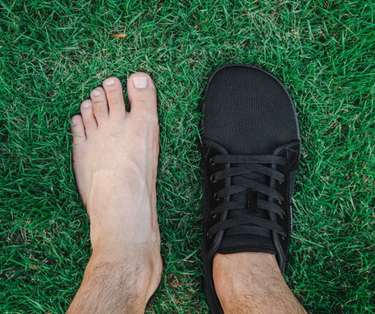
Before getting into how the shoes perform, it helps to understand why this design exists at all. Have you ever taken your shoes off at the end of the day and noticed red marks across the top of your toes? That's usually a sign your shoes are narrower than your foot.
Dr. Alissa Kuizinas, a board-certified podiatrist in Boston interviewed by NBC Select, explains that a wide toe box is shaped to match the natural width of the foot, giving toes room to splay and bend the way they would if you were walking barefoot. Dr. Isaac Tabari, a foot and ankle doctor also quoted by NBC Select, adds that this kind of room can support better balance and stability. The American Podiatric Medical Association echoes this in its own footwear guidance, recommending shoes with enough toe room that toes aren't crowded together.
It's worth being clear about the limits here, too. A wide toe box is not a fix for every foot problem. If you have ongoing pain, numbness, or a diagnosed condition like plantar fasciitis, it's worth talking to a podiatrist before assuming a shoe change alone will solve it.

Are Hobibear Shoes Comfortable?
This is where Hobibear tends to get its strongest praise. On Walmart's product reviews, one buyer with bunions said the shoes fit well, and another mentioned finally finding a shoe that didn't squeeze their toes after trying several other wide-fit brands. A shopper who compared Hobibear against Orthofeet and New Balance wide-fit options said Hobibear gave the most room without any cramping straight out of the box.
An independent reviewer at BareTread, who wore a pair for restaurant work over eight months, described the wide toe box as the standout feature, noting it left plenty of room for feet to spread out during long shifts on hard floors. That same review pointed out a trade-off worth knowing about going in: the footbed is thin, with very little cushioning, so if you're used to thick foam midsoles, the adjustment period is real. There's also no real arch support built in, so the shoes may not be the right match if you have high arches or need structured support.
So the honest answer is: many people find them comfortable, especially for casual, low-impact days on your feet, but comfort here means something different than in a cushioned running shoe. It's closer to the feeling of a supportive slipper than a padded sneaker.
Sizing and Fit: The Part Most People Get Wrong
Sizing is the single biggest source of confusion in Hobibear reviews. Here's the honest picture: fit varies by style, not just by brand.
Hobibear's own sizing pages note that measurements differ between product lines, so the chart on the specific item you're buying matters more than a general brand-wide rule. Here's a general reference some Hobibear sneaker styles use, though you should always double-check the chart on the exact listing before ordering:
|
US Size |
EU Size |
Foot Length |
|
6.5 |
39 |
245 mm |
|
7.0 |
40 |
250 mm |
|
8.0 |
41 |
255 mm |
|
8.5 |
42 |
260 mm |
|
9.5 |
43 |
265 mm |
|
10.0 |
44 |
270 mm |
|
11.0 |
45 |
275 mm |
|
12.0 |
46 |
280 mm |
|
13.0 |
47 |
285 mm |
To measure your own foot, stand on a piece of paper against a wall, mark where your longest toe ends, then measure that distance. Do this in the late afternoon, since feet swell slightly over the day, and go with the larger of your two feet.
Some reviewers said a specific style ran true to size. Others said they had to size up, particularly in knit or fabric-upper styles. The independent BareTread review found their pair true to size after testing, while noting they had read complaints online beforehand and were pleasantly surprised. That inconsistency is frustrating, but it's a real pattern across the reviews rather than one-off bad luck. Reading reviews on the exact product page you're considering will tell you more than any general sizing rule.

Durability: What to Actually Expect
Reviews here are mixed, and it's worth being upfront about that rather than glossing over it. Some buyers report months of regular wear without any issues. Others, especially people on their feet for long shifts, said the sole wore down faster than expected.
The BareTread review, which tracked wear over eight-plus months of regular restaurant work, estimated a realistic lifespan of around three to four months of daily, heavy use before the tread noticeably wears down, with the upper material typically holding up longer than the sole. For occasional or casual wear, that lifespan stretches out quite a bit further.
Compare that to premium barefoot brands like Xero Shoes or Vivobarefoot, which are built to last a year or more with regular use, but often cost two to four times as much. If you're on hard floors for eight or more hours a day, it's reasonable to treat Hobibear as a comfortable, affordable everyday option rather than heavy-duty work footwear you'll wear for years.
Can You Actually Wear These Day to Day?
Buyers frequently mention wearing Hobibear shoes well beyond the house, including to the office, casual errands, and social outings. The designs tend to be simple: clean lines, minimal branding, and mostly neutral colorways.
If you're wondering how to work minimalist sneakers into your existing wardrobe, LuisaViaRoma's styling guide, a well-known resource in the fashion retail world, points out that neutral-toned, low-profile sneaker designs are the easiest to pair with both casual and slightly dressed-up outfits. That lines up well with how most Hobibear styles are designed. A pair in black, beige, or gray will generally look more intentional with a broader range of outfits than a bold color combination.
One styling mistake worth avoiding: pairing a very minimalist, thin-soled shoe with heavily structured or formal pieces, like a tailored suit. The proportions tend to clash, since the shoe reads as casual no matter what you put above it. These shoes tend to work best with everyday, relaxed pieces: jeans, chinos, casual dresses, or work-appropriate basics, rather than formal occasions.

Price and Value
Hobibear generally sits in the $30 to $50 range per pair, though pricing and sales change often across its own site and third-party retailers. That's noticeably cheaper than most established barefoot and wide-toe-box brands.
|
Feature |
Hobibear ($30–$50) |
Premium Brands ($100–$150+) |
|
Materials |
Basic knit mesh, simple rubber sole |
Higher-grade textiles, specialized rubber compounds |
|
Typical lifespan |
Roughly 3–4 months of daily, heavy wear |
1–2+ years with regular care |
|
Toe box |
Very wide |
Wide, varies by model |
|
Design variety |
Limited, mostly simple styles |
Wider range of styles and use cases |
|
Customer support |
Mixed reviews, slower response times reported |
Generally more responsive, often with warranties |
For someone testing whether a wide toe box or zero-drop shoe even works for their feet, the lower price point lowers the financial risk considerably. For someone who already knows they want a barefoot shoe for serious running or trail use, investing in a more specialized, durable pair may be worth the extra cost.
The Part We Should Be Direct About: Customer Service and Returns
This is the section that deserves honesty rather than a quick skip-over. On Trustpilot, Hobibear.com's page shows a 'Poor' rating built from well over 1,000 reviews, with a large share of one-star ratings. When you actually read through them, the pattern is clear: a meaningful portion of complaints are about the return and refund process rather than the shoes themselves. Common issues mentioned include slow responses, confusion over who pays for return shipping, and international return addresses that add unexpected cost.
That doesn't mean every experience is negative. Some reviewers on the same platform reported that support followed up and resolved their issue once they provided order details, and Walmart's own product reviews for Hobibear styles average closer to 4 out of 5 stars across dozens of ratings, which suggests the buying experience varies quite a bit depending on where and how you order.

A few habits can help you avoid a headache if you decide to order:
1. Check the return window and return address for your country before you buy, not after you're already unhappy with the fit.
2. Keep your order confirmation and tracking numbers until you're certain you're keeping the shoes.
3. Buy through a marketplace with its own return policy, like Amazon or Walmart, if you're worried about the direct-site return process. Reviewers consistently report smoother returns through third-party marketplaces than through Hobibear's own site.
4. Contact customer service in writing as soon as you notice a problem, and follow up if you don't hear back within a few business days.
Common Mistakes to Avoid When Buying Hobibear Shoes
Based on the pattern of complaints across reviews, a few mistakes come up again and again.
· Buying your usual size without checking the specific chart. Sizing differs by style, so a size that works in one Hobibear shoe may not work in another.
· Expecting the same cushioning as a running shoe. These are minimalist, zero-drop shoes. If you're used to thick foam soles, the thinner sole will feel different, and that adjustment period is normal rather than a sign something is wrong.
· Jumping straight into all-day wear. Podiatrists who work with minimalist and barefoot-style shoes generally recommend easing into a lower-drop shoe gradually, since your feet and calves need time to adapt to less support.
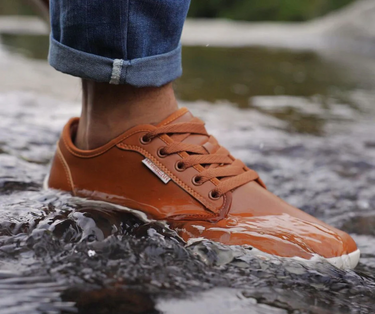
· Assuming every style is fully waterproof. Some Hobibear shoes are labeled water-resistant for specific conditions, but many are breathable mesh, which is the opposite of weatherproof. Check the product description rather than assuming.
· Waiting too long to flag a sizing issue. Given the return-process feedback above, it's worth contacting support as soon as you notice a fit problem rather than after weeks of wear.

How Hobibear Compares to Other Barefoot and Wide-Toe Brands
|
Feature |
Hobibear |
Xero Shoes |
Vivobarefoot |
Orthofeet |
|
Price range |
$30–$50 |
$70–$130 |
$120–$180 |
$80–$140 |
|
Toe box width |
Very wide |
Wide |
Wide |
Wide |
|
Zero drop |
Yes |
Yes (most models) |
Yes |
No, typically cushioned |
|
Best for |
Casual wear, beginners, budget testing |
Everyday use plus light athletic activity |
Serious barefoot training and travel |
Diabetic and orthopedic comfort needs |
|
Durability |
Very good |
Good |
Very good |
Good |
None of these brands is a direct one-to-one substitute for another, since they're built around slightly different priorities. Hobibear's advantage is accessibility: a low price point that makes it easy to find out whether a wide toe box or zero-drop shoe suits your feet before committing to a pricier pair.
Real Feedback, in Plain Terms
Pulling together verified reviews from Trustpilot, Walmart, and independent testers, a consistent pattern shows up. Buyers with bunions, wide feet, or foot swelling tend to report genuine relief and comfort once they find the right size. Buyers expecting a cushioned athletic shoe, or those who ran into return complications, tend to walk away disappointed. One long-term independent reviewer summed up their eight-month test by noting the shoes deliver a real barefoot feel and a genuinely roomy toe box at a price that makes trying the category low-risk, even though the tread and sole wear down faster than pricier alternatives.
That range of experiences is worth sitting with rather than smoothing over. A shoe that works well for a retail worker standing on carpet all day may not hold up the same way for someone working a concrete kitchen floor for ten-hour shifts.
So, Are Hobibear Shoes Good?
Based on the evidence, here's a fair summary. For the specific job Hobibear shoes are designed to do, give your toes room and let your feet move with less interference, they generally do that job well, and they do it at a price that makes experimenting with barefoot-style footwear far less risky than jumping straight into a premium brand. If you have wide feet, deal with foot swelling, or want a low-cost way to test whether a wide toe box helps you, Hobibear is a reasonable place to start.

Where the brand comes up short is consistency: sizing that shifts between styles, a sole that wears down faster than premium competitors under heavy daily use, and a returns process that a meaningful number of customers describe as slow or frustrating. If you tend to need precise sizing on the first try, or if a smooth return process matters more to you than saving money, that's worth weighing before you order, and ordering through a marketplace with its own return policy is a reasonable way to reduce that risk.