




The 7 Best Barefoot Hiking Shoes for Wide, Happy Feet
Have you ever pulled off your hiking boots at the end of a trail and looked down at toes that are red, cramped, and squeezed together? If that sounds familiar, you already know what a narrow, stiff hiking shoe does to your feet over a few miles.
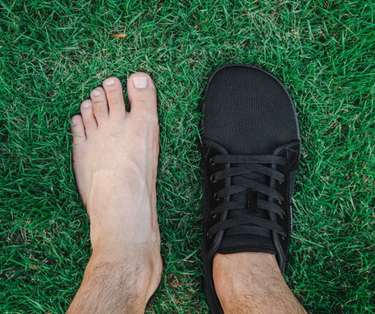
Barefoot hiking shoes take a different approach. Instead of forcing your foot into a tapered, built-up shape, they let your foot sit flat and your toes spread out the way they do when you walk on sand. That single change fixes a lot of the discomfort that traditional hiking boots cause.
I put together this guide to help you find a pair that actually fits your feet, not just your budget or your favorite outdoor brand. You'll find seven solid options below, including picks from HOBIBEAR, a brand built specifically around wide toe boxes. I'll also walk through what to look for, common mistakes to avoid, and real feedback from people who have actually worn these shoes on trails.

What Makes a Barefoot Hiking Shoe Different
Before you shop, it helps to know what separates a true barefoot hiking shoe from a regular hiking shoe that's just labeled 'wide.'
Here's what to check for:
· Zero drop sole. Your heel and forefoot sit at the same height, instead of your heel being raised the way it is in most hiking and running shoes. This keeps your spine and hips in a more natural line.
· Wide, foot-shaped toe box. The shoe should be wide at the toes and taper very little, if at all, so your big toe points forward instead of angling inward. This is different from a shoe that's just wide through the middle of your foot.
· Flexible sole. You should be able to bend and twist the shoe by hand. A stiff sole blocks the small movements your foot naturally makes on uneven ground.
· Grippy outsole. Thin doesn't have to mean slippery. Look for a tread pattern with real lugs, not a smooth or lightly textured bottom.
· Durable materials. Trail use is harder on shoes than daily walking, so check the stitching, the upper material, and how the sole is attached.
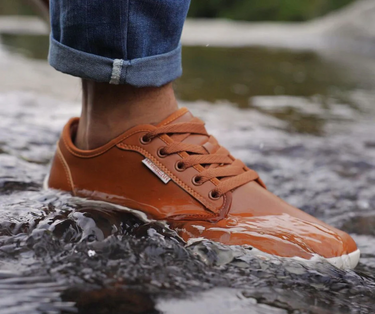
· Weather protection, if you need it. Some hikers want a fully waterproof shoe. Others prefer a breathable mesh that dries fast after a stream crossing. Neither choice is wrong, it depends on where you hike.
Barefoot Hiking Shoes vs. Traditional Hiking Boots
|
Feature |
Traditional Hiking Boot |
Barefoot Hiking Shoe |
|
Heel-to-toe drop |
Usually 8–12mm |
0mm (flat) |
|
Toe box shape |
Tapered, narrower at the front |
Wide, foot-shaped |
|
Sole stiffness |
Stiff, built for support |
Flexible, bends with your foot |
|
Ankle support |
Often high-cut with structure |
Usually low-cut, relies on your own ankle strength |
|
Break-in time |
Can take several wears |
Often minimal, though leather styles vary |
|
Best for |
Heavy packs, ankle-support needs |
Natural movement, toe freedom, ground feel |
A quick note on research here: a 2023 systematic review published in the International Journal of Sports Medicine looked at nine separate studies on minimalist footwear and found that foot muscle strength increased between 9% and 57% in people who wore minimalist shoes regularly, compared to their baseline. A separate study from the University of Liverpool, published in Scientific Reports, found a 57.4% increase in foot strength after six months of daily minimalist shoe wear. That doesn't mean every barefoot shoe will strengthen your feet by a set amount, results vary by person and by how gradually you transition, but it does back up the general idea that letting your foot move naturally can build real strength over time.
Quick Comparison of the 7 Best Barefoot Hiking Shoes
|
Shoe |
Best For |
Sole Feel |
Wide Toe Box |
Waterproof Option |
Price Tier |
|
HOBIBEAR Trail/Barefoot Shoes |
Beginners & everyday trails |
Thin, flexible |
Yes |
Yes (select styles) |
$ |
|
Vivobarefoot Tracker |
Rugged, technical terrain |
Medium, durable |
Yes, moderate |
Yes |
$$$ |
|
Xero Shoes Scrambler |
All-around grip |
Medium-firm |
Yes, moderate |
Yes (Mid WP) |
$$ |
|
Freet Hiking Range |
Extra-wide feet |
Soft, flexible |
Yes, generous |
Yes (select styles) |
$$ |
|
Altra Lone Peak |
Long miles with cushion |
Thicker, cushioned |
Yes, generous |
Yes |
$$ |
|
Lems Boulder Boot / Trail Blazer |
Easing into barefoot hiking |
Thicker, forgiving |
Yes, moderate |
Yes (select styles) |
$$ |
|
Softstar Switchback II |
Wet, slippery terrain |
Thicker, grippy |
Yes (Wide version) |
Water-resistant |
$$$ |
Now let's look at each one a little closer.
The 7 Best Barefoot Hiking Shoes
1. HOBIBEAR Wide Toe Trail Shoes — Best for Beginners and Everyday Trails
Best for: Hikers who want to try barefoot hiking without a big investment, or who mostly stick to day hikes and moderate terrain.
HOBIBEAR builds its entire lineup around a wide, foot-shaped toe box and a zero drop, flexible sole, and its trail-oriented styles carry that design over to lighter outdoor use. The toe box is genuinely roomy, which matters if you've dealt with bunions, swollen feet, or toes that get squeezed together by the end of a hike. The sole is thin enough to give you real ground feel, and the rubber outsole has decent traction for dirt paths, gravel, and light mixed terrain. HOBIBEAR also makes waterproof styles, like the Tannin and Sorrel lines, for wet-weather walks.
Where HOBIBEAR is honest about its limits: this isn't a shoe built for scrambling over sharp rock or multi-day backcountry trips. Customer reviews on major retail sites consistently mention that the wide toe box and comfort are genuine, but a fair number also note that sizing runs small or inconsistent between styles, so ordering a half size up is a common recommendation. The thinner sole is also better suited to groomed trails and moderate terrain than to serious alpine hiking, where you'd want something closer to the Vivobarefoot or Softstar picks below.

Sizing & fit tips:
· Many buyers size up half a size, based on repeated customer feedback
· Foot-shaped, not just 'wide,' so toes have real room to spread
· No dedicated arch support, which is standard for barefoot shoes but worth knowing if you're used to a supportive insole
Have you ever bought a 'wide' shoe that still pinched your baby toe? That's the exact problem this toe box shape is designed to solve.
2. Vivobarefoot Tracker — Best for Rugged, Technical Terrain
Best for: Multi-day treks, backpacking trips, and rocky or mixed terrain where you want more durability underfoot.
Vivobarefoot has built a reputation among barefoot hikers for shoes that hold up on genuinely difficult trails without giving up the flat, wide shape. The Tracker Leather in particular has natural water resistance, a removable thermal insole, and enough tread depth to handle mud without turning into a mess. It comes in a few outsole variations depending on how aggressive a tread you want.
The tradeoff is break-in time. Leather Vivobarefoot models start out stiffer than most barefoot shoes and soften with wear over weeks or months, so this isn't the shoe to buy the week before a big trip. It also runs on the pricier side compared to the other picks here, which makes sense given the materials and construction.
Sizing & fit tips:
· Runs true to size for most people
· Best suited to average to medium-wide feet; men's versions run wider than women's
· Plan on a real break-in period before a long hike
3. Xero Shoes Scrambler — Best All-Around Grip and Durability
Best for: Hikers who want one reliable pair for mixed weather and varied terrain without paying a premium price.
The Scrambler line uses a Michelin outsole with real lugs, which gives it noticeably better traction on wet rock and loose dirt than many thinner barefoot shoes. It's a firmer ride than something like Freet or HOBIBEAR, so if you like a lot of ground feel, it may feel like a step down in flexibility. But that same firmness is part of why it holds up well over months of regular trail use. The waterproof Scrambler Mid WP handles stream crossings reasonably well, though like most waterproof shoes, it runs a bit warmer and less breathable than the non-waterproof version.
Sizing & fit tips:
· Best for narrow to medium-width feet, leaning narrow
· Consider sizing up half a size for extra toe room
· The waterproof version fits snugger due to the membrane
4. Freet Barefoot Hiking Range — Best for Extra-Wide Feet
Best for: Hikers whose feet are wider than average and who have struggled to find a genuinely roomy toe box, even in other 'wide' brands.
Freet has built its outdoor lineup specifically around extra width, and it shows. Reviewers who compare barefoot brands side by side consistently point to Freet as one of the widest options on the market, with several outsole types depending on how much traction you need. The materials feel soft right out of the box, without much break-in required, which is a nice change if you've been burned by stiff leather hikers before.
The main thing to watch is that the boot styles can run a bit small in length, even though they're wide, so check the specific sizing guide for the model you're buying rather than assuming your usual size will work.
Sizing & fit tips:
· Fits wide and extra-wide feet well
· Some boot styles run small in length, so check the model-specific chart
· High foot volume is accommodated, with room to add extra insoles if needed
5. Altra Lone Peak — Best Cushioned Option for Long Miles
Best for: Hikers who want a wide toe box and a flat sole but aren't ready to give up cushioning, especially on long trail days or thru-hikes.
The Lone Peak isn't a true minimalist shoe in the ultra-thin sense, but it keeps the zero drop platform and a genuinely wide toe box while adding a thicker, more cushioned midsole. That combination has made it a favorite among long-distance hikers who want their toes to spread naturally but still want some shock absorption underfoot after 15 or 20 miles. It also comes in a wide width option for feet that need even more room.
If you're coming from a very minimal shoe and want more ground feel, this will feel like a step in the other direction. But if you're transitioning from a traditional hiking boot, it's often an easier starting point than a paper-thin sole.
Sizing & fit tips:
· Runs true to size, though sizing up is common if you're between sizes
· Comes in a dedicated wide width for extra room
· Works well for a range of foot volumes
6. Lems Boulder Boot / Trail Blazer — Best for a Gentle Transition
Best for: Hikers who want a wide, flexible shoe but aren't ready for a paper-thin barefoot sole yet.
Lems shoes sit in a similar space to the Altra Lone Peak: a thicker sole than a true barefoot shoe, but still flat and still wide through the toe box. The Trail Blazer is lighter and lower cut, while the Boulder Boot Grip adds more coverage and holds up well in wet, muddy conditions based on repeated hands-on testing from outdoor gear reviewers. There's plenty of room above the toes, which makes the fit feel roomy without feeling sloppy through the rest of the foot.
If serious ground feel is your priority, this thicker sole may feel like more shoe than you want. But for people who find true barefoot shoes too intense right away, it's a reasonable middle step.
Sizing & fit tips:
· Runs small, sizing up a full size is common advice from reviewers
· Good fit for narrow to medium-width feet, with extra room above the toes
· Removable insoles allow for swapping in a warmer liner in cold weather
7. Softstar Switchback II — Best Traction on Wet, Slippery Ground
Best for: Hikers who deal with wet rock, mud, or slick trail conditions and want the most secure footing on this list.
The Switchback II is handmade with a soft leather upper and a Vibram Megagrip outsole, which in side-by-side testing has come out ahead of most other barefoot hiking shoes for grip on wet and slippery surfaces. It comes in a wide width option that's genuinely foot-shaped, and the updated version added more room above the toes compared to the earlier model. Unlike most shoes on this list, it can also be resoled by a cobbler when the outsole eventually wears down, which extends its useful life.
The sole is thicker and heavier than the more minimal picks here, so you lose some ground feel in exchange for that grip and durability. It also comes in whole sizes only, so if you normally wear a half size, you'll need to decide whether to size up or down.

Sizing & fit tips:
· Comes in Regular and Wide, with only the Wide version being fully foot-shaped
· Only offered in whole sizes
· Works best for low to medium foot volume
How to Choose the Right Pair for Your Feet
With seven solid options in front of you, here's a simple way to narrow it down:
1. Measure your feet at the end of the day, when they're at their largest, using a piece of paper and a pencil rather than guessing from memory.
2. Decide how much ground feel you actually want. If you're new to barefoot shoes, a slightly thicker sole like the Altra Lone Peak or Lems can feel more comfortable at first than an ultra-thin one.
3. Think about your typical terrain. Smooth dirt trails need less tread than rocky, technical routes. Wet climates call for a grippier outsole or a waterproof upper.
4. Check the brand's specific sizing chart every time. Barefoot shoe sizing varies a lot between brands, and sometimes between models from the same brand, so don't assume your usual size will carry over.
5. Give yourself a transition period if you're moving from a traditional, cushioned hiking boot. Start with shorter walks before committing to an all-day hike in a new pair.
Common Mistakes to Avoid
A few missteps show up again and again when people switch to barefoot hiking shoes:
· Jumping straight into a long hike in a brand-new pair. Even shoes with little break-in time still ask your feet and calves to work differently than they're used to. Ease in with shorter walks first.
· Trusting the word 'wide' without checking the toe box shape. Some shoes are wider through the midfoot but still taper at the toes. Look at photos of the outsole from above, not just the marketing copy.
· Buying your usual size out of habit. Sizing varies enough between barefoot brands that this is one of the most common return reasons across the shoes on this list.
· Ignoring wet-weather grip if you hike somewhere rainy. A thin, flexible sole is great for ground feel, but not every outsole handles wet rock or roots equally well.
· Skipping the manufacturer's sizing guide for boot-style options. Several brands here fit differently in their boot versions than in their low-cut shoes.
None of these barefoot hiking shoes will completely prevent foot pain or guarantee a blister-free hike, fit, terrain, pack weight, and your own foot strength all play a role too, but avoiding these mistakes puts you in a much better starting position.
What Real Hikers Say
Reviews of HOBIBEAR's wide toe box shoes on major retail sites show a fairly consistent pattern. People with bunions, plantar fasciitis, or feet that simply don't fit standard shoe lasts often describe finally finding a shoe where their toes aren't cramped together, and several mention buying multiple colors once they found a pair that worked. At the same time, a number of reviewers note that sizing isn't perfectly consistent across styles, with some ordering up a full size to get enough length even though the width was already generous. A few also mention that the thinner sole isn't their first choice for genuinely rough, rocky trails, which lines up with the honest positioning of this shoe as a strong entry point and everyday trail option rather than a technical mountaineering shoe.
Reviewers of the more premium options, like Vivobarefoot and Softstar, tend to focus on different tradeoffs entirely, mainly break-in time versus long-term durability and grip in wet conditions. That's a useful reminder that 'best' depends heavily on what you're actually using the shoe for.
If you want more on fitting hiking footwear in general, Terradrift's guide to buying and fitting hiking boots is a solid outside resource. And if you're curious about pairing barefoot shoes with everyday outfits once you're off the trail, Anya's Reviews covers barefoot shoe style in more depth than most hiking-focused sites.
Frequently Asked Questions
What does 'zero drop' actually mean? It means there's no height difference between your heel and the ball of your foot inside the shoe. Most regular shoes raise the heel slightly, which changes your posture and stride. A zero drop shoe keeps your foot flat, closer to how it would sit if you were standing barefoot.
Are barefoot hiking shoes actually good for hiking, or just for casual walking? Many people hike long distances in them, including multi-day backpacking trips, but it depends on the specific shoe and the terrain. Thinner, more minimal shoes work well on moderate trails, while thicker options like the Altra Lone Peak or Softstar Switchback II hold up better on rougher, rockier ground.
How long does it take to get used to barefoot hiking shoes? This varies quite a bit by person. Some people adjust within a couple of weeks of regular wear, while others prefer a slower transition over a month or more, especially if they're coming from years in traditional supportive shoes. Starting with shorter walks and gradually increasing distance tends to work better than switching all at once.
Do barefoot hiking shoes have any arch support? Most true barefoot shoes, including HOBIBEAR's lineup, skip built-in arch support on purpose. The idea is to let your foot's own muscles do that work over time rather than relying on the shoe. If you currently rely heavily on orthotics for a diagnosed condition, it's worth talking with a podiatrist before making a full switch.
Will a wide toe box fix my bunions? A roomier toe box can reduce pressure on a bunion and may slow further irritation, and many people report real comfort improvements. It isn't a guaranteed fix or a substitute for medical treatment, so if bunion pain is significant, it's worth pairing a shoe change with advice from a foot specialist.
Can I wear barefoot hiking shoes in the rain? Yes, several of the shoes on this list, including HOBIBEAR's Tannin and Sorrel styles, Vivobarefoot's Tracker, and Xero's Scrambler Mid WP, come in waterproof versions. Just know that waterproof uppers typically run a little warmer and less breathable than the standard mesh versions.
Why do so many barefoot shoes run small? Because the toe box is wider than a standard shoe, brands sometimes shorten the overall last slightly, which can make the shoe feel short even though it's wide. This is exactly why checking each brand's specific size chart, rather than assuming your regular size, matters so much with barefoot shoes.
Is HOBIBEAR a good starting point for someone new to barefoot shoes? For hikers who want to try the wide toe box, zero drop concept on moderate trails without a big upfront cost, it's a reasonable starting point, and the sizing and fit tips above can help you land on the right size the first time. If you already know you'll be tackling technical alpine terrain or multi-day backcountry trips, a more rugged option like the Vivobarefoot Tracker may serve you better from the start.