

-
Kid's Vervain - Barefoot Shoes - Black White
Kid's Vervain barefoot shoes are designed to let little feet move naturally. The wide toe box gives toes room to spread and flex, promoting healthy foot development. Lightweight and flexible, these shoes adapt to your child's natural gait while providing ground-feel feedback. Perfect for...- $ USD42.99
$ USD56.99- $ USD42.99
- Unit price
- per
Save $14.00-
Black White
-
Gray
-
Purple
-
Black
-
Kid's Orchid - Barefoot Shoes - Black White
Kid's Orchid barefoot shoes combine minimalist design with natural movement support for developing feet. These lightweight shoes feature a flexible sole that encourages proper gait development and strengthens foot muscles. The breathable construction keeps feet cool and dry, while the wide toe box allows...- $ USD42.99
$ USD59.99- $ USD42.99
- Unit price
- per
Save $17.00-
Black White
-
Beige Red
-
Beige Black
-
White Blue
-
キッズソレル - ベアフットシューズ
ホビベアの子供用ベアフットシューズは、お子様の足の発達に最適です。滑り止めソールがしっかりとしたグリップ力を発揮し、通気性に優れた素材が自然な通気性を確保します。柔軟性の高いシューズは、活発なお子様の足に最適な快適さを提供します。屋内でも屋外でもお使いいただけます。- $ USD39.99
$ USD52.99- $ USD39.99
- Unit price
- per
Save $13.00 -
キッズビューグル - ベアフットシューズ
Hobibearのユニセックスワイドベアフットシューズは、軽量で快適な子供用です。つま先部分が広く、つま先が自然に広がります。伸縮性のあるベルクロ留め具で、滑りにくく快適なフィット感を実現します。アッパーは通気性に優れ、ソールは柔軟性に優れているため、普段使いに最適です。- $ USD38.99
$ USD52.99- $ USD38.99
- Unit price
- per
Save $14.00 -
キッズ ソレル 2.0 - ベアフットシューズ
Hobibearのキッズ ソレル 2.0 ベアフットシューズは、お子様のために専門的にデザインされており、自然な足の動きと感覚の発達を促進します。高品質の素材で作られたこのシューズは、軽量で耐久性があり、毎日履くのに最適です。キッズ ソレル 2.0で、お子様の足を快適かつスタイリッシュに育てましょう。- $ USD39.99
$ USD52.99- $ USD39.99
- Unit price
- per
Save $13.00 -
キッズアイビー - ベアフットシューズ
Hobibearエクストラワイドキッズベアフットシューズは、軽量で快適な履き心地。つま先が広く、つま先が自然に広がります。調節可能な伸縮性のあるシューレースシステムが、快適で滑りにくいフィット感を実現します。防水アッパーと柔軟なソールは、毎日の履き心地に最適です。- $ USD39.99
$ USD69.99- $ USD39.99
- Unit price
- per
Save $30.00 -
Kid's Oncidium - Barefoot Shoes - Beige Red
Kid's Oncidium barefoot shoes combine minimalist design with natural movement support. Crafted from premium leather, these shoes feature a flexible sole that allows children's feet to develop strength and proprioception naturally. The spacious toe box accommodates growing feet comfortably, while the breathable leather keeps...- $ USD42.99
$ USD59.99- $ USD42.99
- Unit price
- per
Save $17.00-
Beige Red
-
Beige Black
-
White Pink
-
White Purple
-
キッズスプラウト - ベアフットシューズ
キッズ スプラウト ベアフットシューズは、つま先が快適に広がる幅広のつま先部分で、自然な足の発達をサポートするよう設計されています。通気性に優れた素材が適切な通気性を確保し、小さな足を涼しくドライに保ちます。滑り止めソールは確かなグリップ力を発揮し、活発な遊びの安全性を高めます。このシューズは、成長期のお子様の健康的な動きと安定性を促す、専門的なデザインと実用的な機能を兼ね備えています。- $ USD42.99
$ USD59.99- $ USD42.99
- Unit price
- per
Save $17.00 -
Kid's Breeze 2.0 - Barefoot Shoes - White Green
The Kid's Breeze 2.0 Barefoot Shoes by Hobibear are expertly crafted to keep children’s feet warm while maintaining the natural barefoot experience. These shoes combine breathable, insulated materials with a flexible, thin sole to provide protection and warmth without restricting foot movement. Designed to...- $ USD43.99
$ USD59.99- $ USD43.99
- Unit price
- per
Save $16.00-
White Green
-
White Red
-
Brown
-
Gray
-
Kid's Hazel - Barefoot Shoes - Brown
Hobibear autumn and winter fashion Wide-Toe Shoes,Hazel. Kid‘s Hazel Barefoot Shoes by Hobibear are designed to support natural foot development in children. Crafted with a flexible sole and lightweight materials, these shoes promote proper balance and sensory feedback, encouraging healthy walking habits. Their breathable...- $ USD42.99
$ USD59.99- $ USD42.99
- Unit price
- per
Save $17.00-
Brown
-
Blue
-
Gray
-
Dark Gray
-
キッズスプルース - 冬用ベアフットシューズ
Hobibearのキッズ スプルース ウィンター ベアフットシューズで、お子様の足に究極の快適さと保護力をご体験ください。防水設計で足をドライに保ち、ベアフットスタイルで自然な足の動きを促します。アウトドアにも普段使いにも最適なこのシューズは、機能性とファッション性の完璧なバランスを実現しています。- $ USD46.99
- $ USD46.99
- Unit price
- per
送料無料。
米国の返品倉庫。

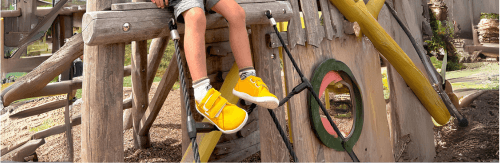
子供用ベアフットシューズ


FAQs
How Should Kids' Barefoot Shoes Fit?
Start by measuring the child's feet rather than relying only on the size they currently wear. Feet can also differ slightly from left to right, so measure both when possible.
- Measure the length of both feet while standing.
- Use the larger foot when choosing the starting size.
- Check the shoe's individual size chart before ordering.
- Make sure the toes are not touching the front of the shoe.
- Check that the widest part of the foot is not squeezed by the upper.
- Make sure the heel does not lift excessively during normal walking.
Do not choose a shoe several sizes too large just to allow for growth. Too much extra space can make walking and running less comfortable. Instead, look for enough room for the toes and normal growth while maintaining a secure fit.
How Much Growing Room Should Kids' Shoes Have?
Children need some room in front of the toes because their feet are still growing. The exact amount of space depends on the child's foot, the shoe design, and how the shoe fits when walking. The goal is to leave practical growth room without allowing the foot to move excessively inside the shoe.
Check the fit regularly, especially during periods of rapid growth. A quick fit check can include looking for toe contact with the front, marks or redness after wear, pressure around the toes, or noticeable changes in how the child walks in the shoes.
How to Choose the Right Kids' Barefoot Shoes?
Consider these questions before choosing a pair:
- What will the child use them for? Everyday walking, school, running, playground activities, and hiking can require different features.
- Does the toe box match the child's foot? Look for enough width and space for the toes without creating excessive movement.
- Is the length correct? Use the product's size chart and the child's current foot measurement rather than age alone.
- Is the shoe secure? The heel and midfoot should stay comfortably in place while walking and playing.
- Is the outsole suitable for the surface? Consider whether the shoe will be used indoors, on pavement, on playgrounds, or on trails.
- Can the child put them on and take them off easily? Simple closures can be useful for school and everyday routines.
How to Care for Kids' Barefoot Shoes?
Children's shoes can collect dirt, moisture, and debris during everyday use. Follow the care instructions supplied with each product because cleaning methods can vary by material and construction.
In general, remove loose dirt promptly, allow damp shoes to dry naturally when appropriate, and avoid cleaning methods that are not recommended for the specific material. Regular care can help keep the shoes comfortable and extend their usable life.
Kids' Barefoot Shoes with Wide Toe Boxes
HOBIBEAR kids' barefoot shoes are designed with a roomy toe area and a flexible, low-profile feel to give growing feet more space to move naturally.
Read more
Kids' Barefoot Shoes for Everyday Walking and School
For everyday use, comfort and fit should be the priority. Kids may wear their shoes for walking to school, playing outside, running around the playground, or spending long periods on their feet.
A lightweight barefoot-style shoe with a flexible sole and a wide toe box can be a practical choice for these activities when the child finds the fit comfortable. Consider the surfaces where the shoes will be used, as a shoe designed for casual walking may not provide the same traction or protection as a model intended for hiking or other outdoor activities.
Kids' Barefoot Shoes for Running and Active Play
Running and active play place different demands on footwear. Children may need a shoe that feels flexible while also providing suitable traction and a secure fit for repeated movement.
When comparing barefoot running shoes for kids, look at the outsole pattern, flexibility, weight, fastening system, and intended use. Avoid choosing footwear based on appearance alone. The shoe should match the child's activity level and the surfaces where it will be worn.
Kids' Barefoot Shoes vs. Traditional Children's Shoes
Traditional children's shoes come in many different shapes and levels of structure. Some use narrower toe areas, thicker soles, or a raised heel. Barefoot-style shoes generally focus on a wider toe box, greater flexibility, and a flatter platform.
Neither design is automatically the right choice for every child or every situation. The best option depends on the child's foot shape, activity, comfort, and the specific construction of the shoe.
About HOBIBEAR Kids' Barefoot Shoes
HOBIBEAR focuses on footwear built around a barefoot-inspired feel, including wide toe box designs and flexible, low-profile construction. The kids' barefoot shoe collection is intended for parents looking for children's footwear with more room around the toes and a more natural-feeling platform.
Because construction can vary between models, always review the individual product page for current information about materials, outsole design, sizing, available colors, and recommended use before ordering.
最近閲覧した商品
Example product title
- $ USD19.99
- $ USD19.99
- Unit price
- / per
Example product title
- $ USD19.99
- $ USD19.99
- Unit price
- / per
Example product title
- $ USD19.99
- $ USD19.99
- Unit price
- / per
Example product title
- $ USD19.99
- $ USD19.99
- Unit price
- / per
Example product title
- $ USD19.99
- $ USD19.99
- Unit price
- / per
Example product title
- $ USD19.99
- $ USD19.99
- Unit price
- / per
Example product title
- $ USD19.99
- $ USD19.99
- Unit price
- / per
Example product title
- $ USD19.99
- $ USD19.99
- Unit price
- / per
Example product title
- $ USD19.99
- $ USD19.99
- Unit price
- / per
Example product title
- $ USD19.99
- $ USD19.99
- Unit price
- / per
- Choosing a selection results in a full page refresh.